Unlocking the Future of Recruitment: Real-World Applications of AI in Writing Inclusive Job Descriptions
May 8, 2026
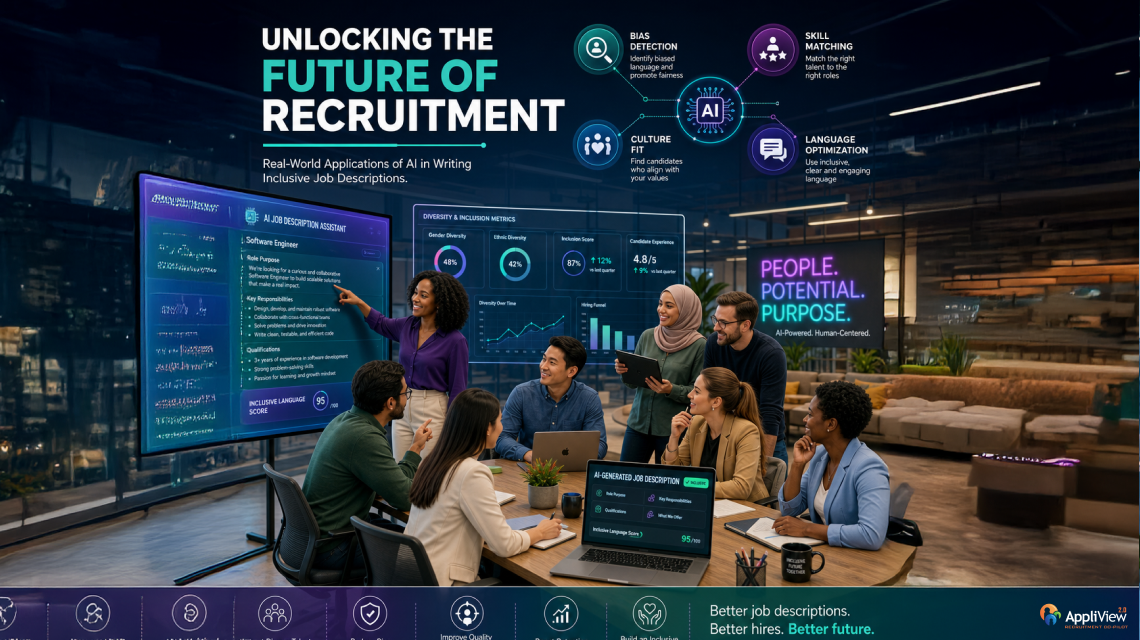
This article explores how artificial intelligence is reshaping recruitment by making job descriptions more inclusive and bias-free. It highlights how AI tools detect biased language, suggest neutral alternatives, and help HR teams scale inclusive hiring practices. The content also covers real-world applications, challenges like algorithmic bias, and emerging trends such as predictive diversity outcomes. Overall, AI is positioned as a powerful tool for building fair, efficient, and diverse recruitment systems.
Introduction Unlocking Diverse Talent in a Competitive Job Market

In today’s talent-scarce market, creating inclusive job descriptions is essential for attracting diverse talent, while modern AI recruitment tools help organizations automate bias detection, improve equitable hiring practices, and strengthen diversity and inclusion strategies through scalable and personalized job postings.
The Origins From Bias Awareness to AI-Powered Solutions

The demand for inclusive job descriptions has increased as organizations recognize how unconscious bias in recruitment discourages diverse candidates, while advancements in natural language processing (NLP) and generative AI recruitment tools now enable automated AI-powered job description analysis, helping companies create bias-free job postings and strengthen diversity hiring strategies more efficiently.
Core Ideas How AI Drives Inclusivity, Backed by Data

AI-driven recruitment tools help create inclusive job descriptions through advanced bias detection, inclusivity evaluation, and generative AI rewriting, enabling organizations to reduce unconscious bias in recruitment, improve accessibility, and produce bias-free job postings that support stronger diversity hiring strategies while maintaining brand voice and clarity.
Real-World Applications Companies Putting AI to Work

Organizations worldwide are adopting AI recruitment solutions and integrating tools like Textio, Casey, and generative AI in HR into Applicant Tracking Systems (ATS) to automate bias detection in job descriptions, improve inclusive hiring practices, increase applications from underrepresented talent groups, and create more effective bias-free job postings.
Challenges and Critical Viewpoints Not a Silver Bullet
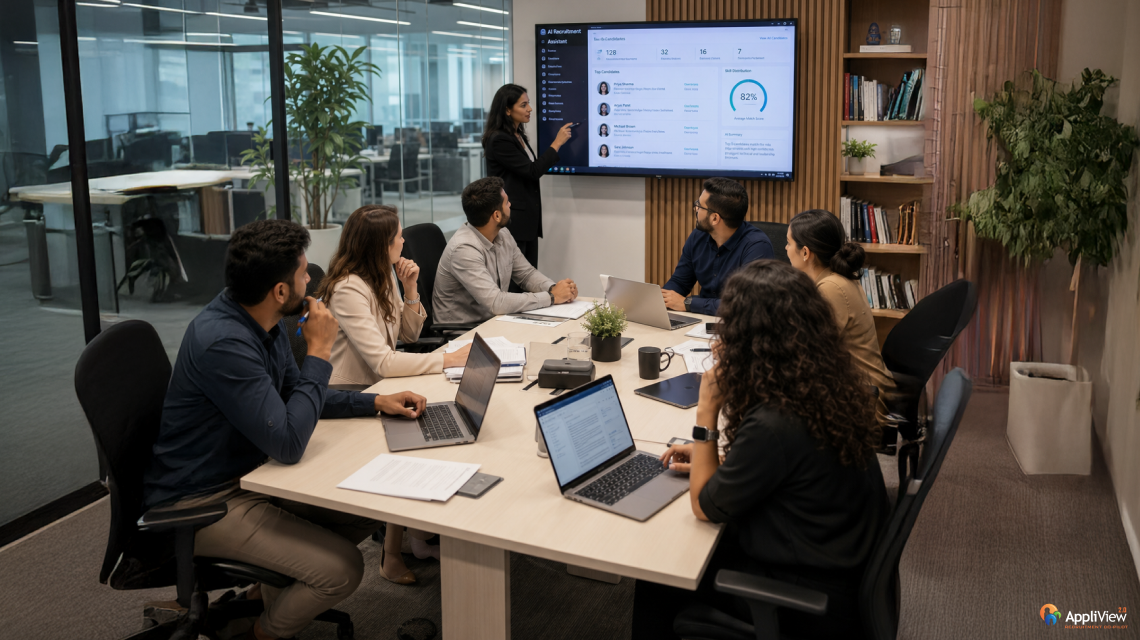
Although AI in recruitment improves efficiency and supports inclusive hiring practices, challenges such as algorithmic bias in AI systems, generic content generation, and the ongoing need for human oversight in hiring highlight the importance of balancing generative AI in HR with human judgment to ensure authentic, fair, and bias-free recruitment outcomes.
Emerging Trends and Future Possibilities

AI in HR and recruitment continues to evolve with advanced AI recruitment systems, hybrid feedback loops, and generative AI in recruitment expected to improve inclusive hiring practices, optimize job descriptions in real time, and support more effective data-driven diversity and inclusion strategies by predicting hiring outcomes before job postings are published.
Conclusion
AI-driven recruitment strategies are transforming modern hiring by turning job descriptions into inclusive gateways for diverse talent, while the benefits of automation, scalability, and bias reduction in recruitment help organizations improve inclusive hiring practices, attract top candidates, and build stronger, more diverse teams despite ongoing challenges like algorithmic bias and the need for human oversight.